BEFORE 2015
Stability
Franchisors were only responsible for workers they directly hired and managed. This meant they could freely help franchisees with in-store training and business guidance without legal risk.


After a decade of regulatory chaos, local franchise business owners are fighting to protect what they’ve built. The bipartisan American Franchise Act offers a clear way forward.
Imagine investing your life savings to open a business, only to have the fundamental rules of how you can operate change every few years. Not because you did anything wrong, but because Washington can’t make up its mind. That’s the reality facing franchise owners across America.
The bottom line: You can’t build a 10-year business plan when the foundational rules change every 4 years. Regulatory whiplash destroys franchise owners’ ability to plan, invest, and grow.

as franchise businesses struggle
to absorb expanded liability
due to regulatory
confusion
under unclear joint
employer standards


The American Franchise Act (H.R. 5267, S.3525) doesn’t change the fundamental relationship between franchisors and franchisees. It simply clarifies what’s always been true: providing support for franchisees is not the same as controlling their employees.
For Catie, who owns and operates an Aroma Joe’s in Maine, that clarity matters, and The American Franchise Act protects her independence.
How? By establishing that a franchisor is a joint employer ONLY if they exert substantial, direct, and immediate control over essential employment terms–things like hiring, wages, or work schedules…


Get support you need
●
Clear rules mean you can plan long-term investments with confidence
●
Focus on running your business, not tracking regulatory changes


Work for businesses that have access to better training and safety resources
●
Employment terms set by local owners
●
Stability in the business model means job security


Decisions made by neighbors, not distant executives
●
Franchise model remains accessible to first-time, minority, and veteran entrepreneurs
●
Economic activity stays rooted in Main Street
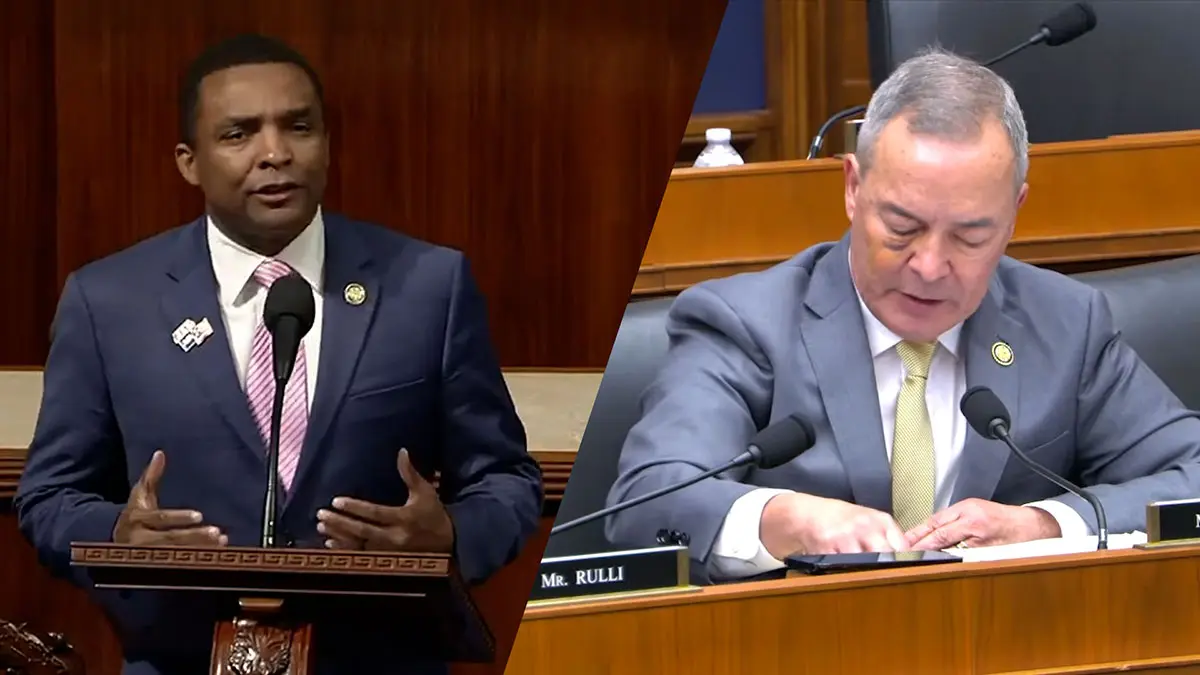
Republican and Democrat lawmakers are backing the American Franchise Act to protect locally owned businesses that power our communities.




Share this page on social, or take action and write to your members of Congress today. Let’s make sure everyone understands what independent ownership really means, and what it takes to protect it.


